Surgical Expertise
- Home
- Surgical Expertise
Expert Surgical Care with Compassion and Precision
With over 30 years of experience and training from Yale, Johns Hopkins, and Brigham and Women’s Hospital, Dr. Roberts specializes in advanced surgical techniques focused on lung, esophageal, and mediastinal diseases. His approach is rooted in minimally invasive and robotic innovation, ensuring safer procedures and faster recovery.
Explain briefly how Dr. Roberts is a pioneer in thoracoscopic (VATS) and robotic surgeries, performing over 3,000 minimally invasive lung surgeries. Emphasize benefits like:
Less pain
Smaller incisions
Faster recovery
Fewer complications
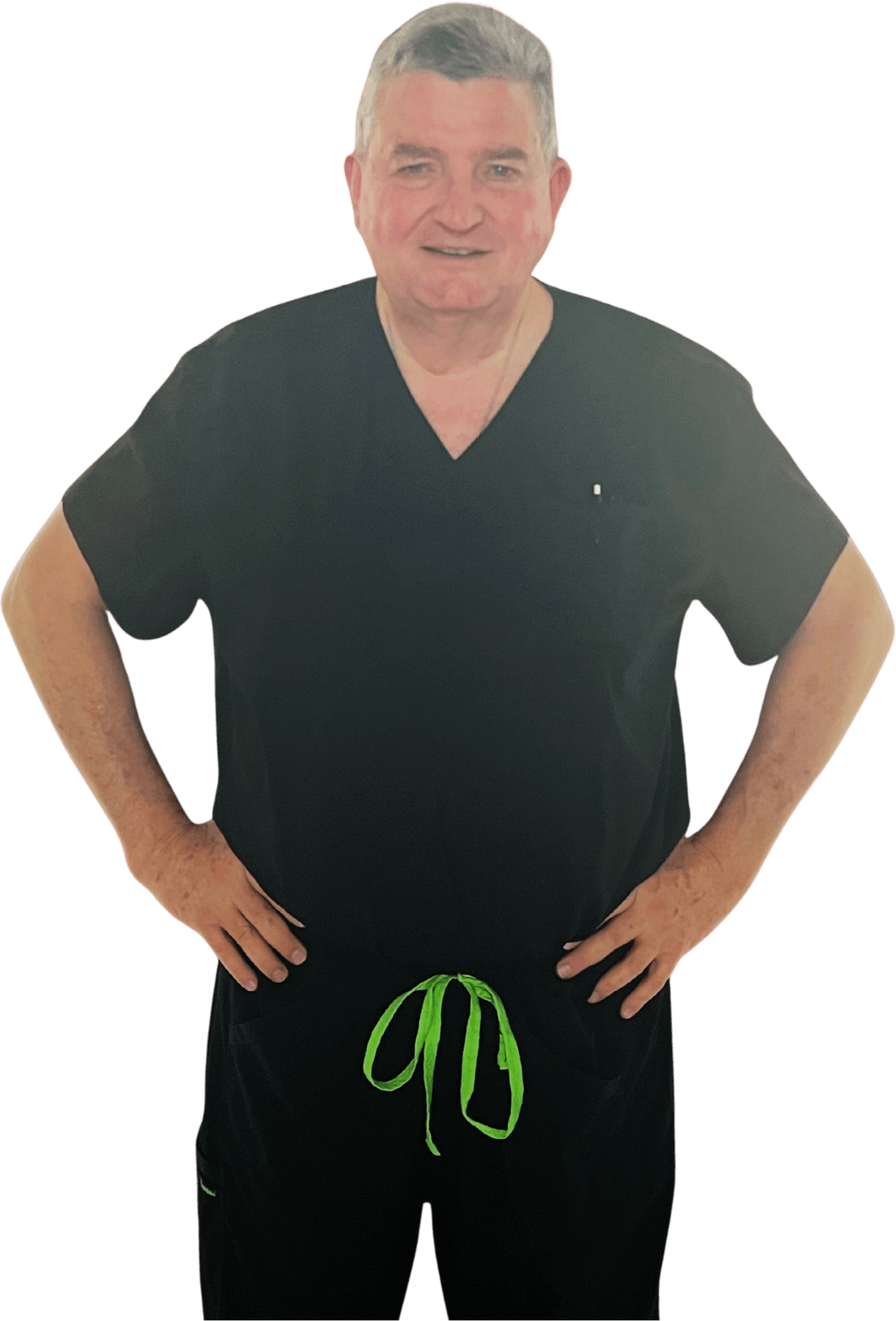
Dr. John R. Roberts
Cardiothoracic and Surgical Oncology
Core Areas of Surgical Expertise
Dr. John R. Roberts offers specialized surgical care for complex thoracic conditions, with a focus on safety, precision, and innovation.
01.
Lung Cancer Surgery
Advanced resection techniques including lobectomy, segmentectomy, and sleeve resection using thoracoscopic and robotic-assisted methods.
02.
Esophageal Surgery
Expertise in treating esophageal cancer and benign esophageal disorders with minimally invasive esophagectomy and other techniques.
03.
Mediastinal Tumors
Removal of thymomas, cysts, and other mediastinal masses through robotic surgery for better accuracy and less trauma.
Surgical FAQs
Thoracoscopic surgery, also known as VATS (Video-Assisted Thoracoscopic Surgery), is a minimally invasive technique. It uses small incisions and a camera to access the chest cavity. This method avoids large incisions, reduces post-operative pain, and shortens recovery time. It's commonly used for lung and chest surgeries today.
Robotic lung surgery involves using a robotic system that enhances precision and control. Surgeons operate through tiny incisions using robotic arms guided by a high-definition 3D camera. This approach improves access to difficult areas and allows thorough cancer removal. It also minimizes trauma to healthy tissues.
Yes, minimally invasive techniques like VATS and robotic surgery are safe and widely recommended for early-stage lung cancer. They offer excellent outcomes with fewer complications than open surgery. Patients benefit from less pain, shorter hospital stays, and faster healing. Proper patient selection is still key to success.
Some discomfort is normal after thoracic surgery, but it is significantly reduced with minimally invasive techniques. Patients typically report less pain compared to traditional open surgery. Most manage well with mild pain medication and are up and walking soon after. Full pain recovery varies by individual health.
Most patients recover faster after minimally invasive thoracic procedures. Hospital stays are typically 2–4 days, and light activities can resume within 1–2 weeks. Full recovery may take 4–6 weeks depending on the procedure and patient health. We provide personalized recovery guidance every step of the way.
General FAQs
A referral from your primary care provider or specialist is helpful but not always required. We accept self-referrals and work with most insurance providers. If you’re unsure, our office can assist with the process. We aim to make it easy for patients to access expert care.
Please bring a valid ID, insurance card, medical history, and any recent imaging or test results. If another physician referred you, bring their notes or referral letter. A list of current medications and your health concerns will also help. We’ll guide you through every step.
Absolutely. Second opinions are encouraged and can provide reassurance or new insights. Dr. Roberts offers in-depth evaluations of diagnoses, imaging, and surgical options. We believe patients deserve to feel confident and informed. Your peace of mind is a vital part of your care plan.