A Comprehensive Overview of Conditions and Procedures
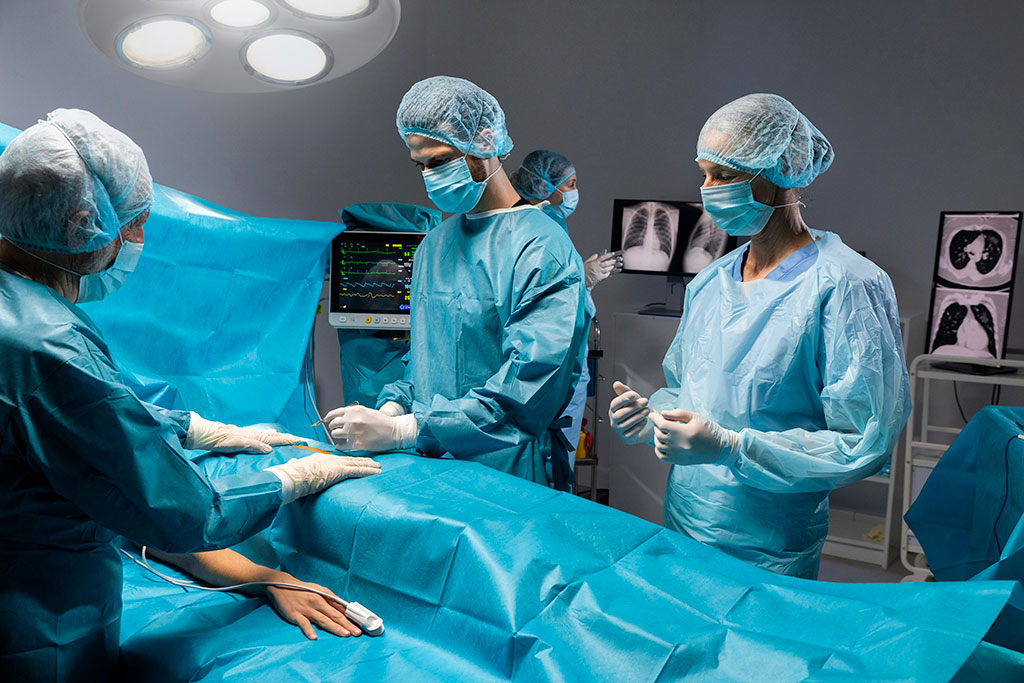
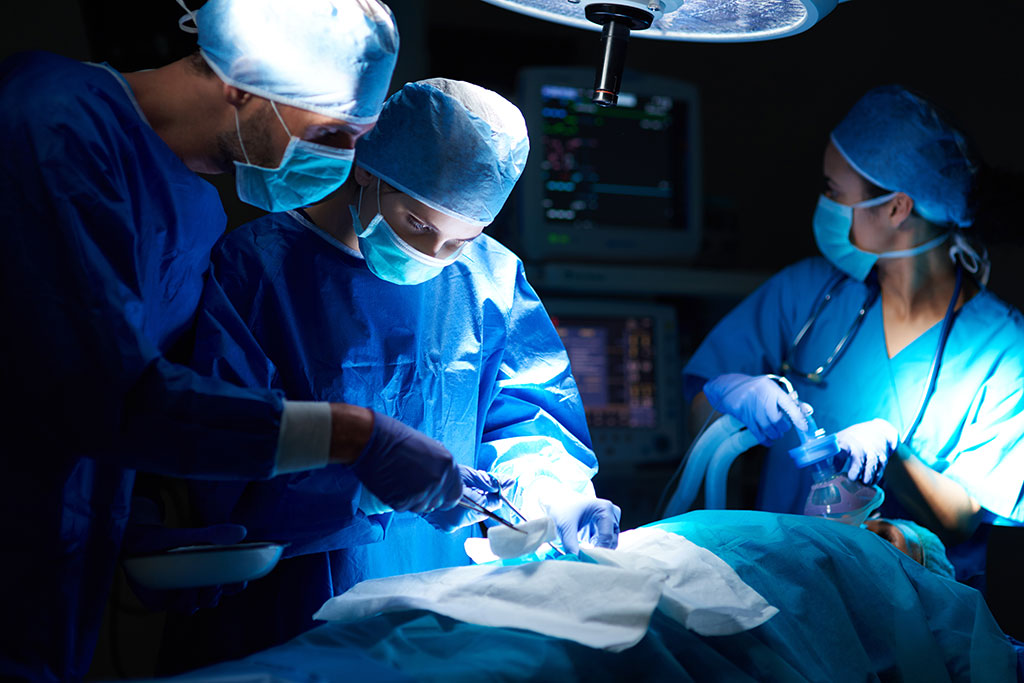
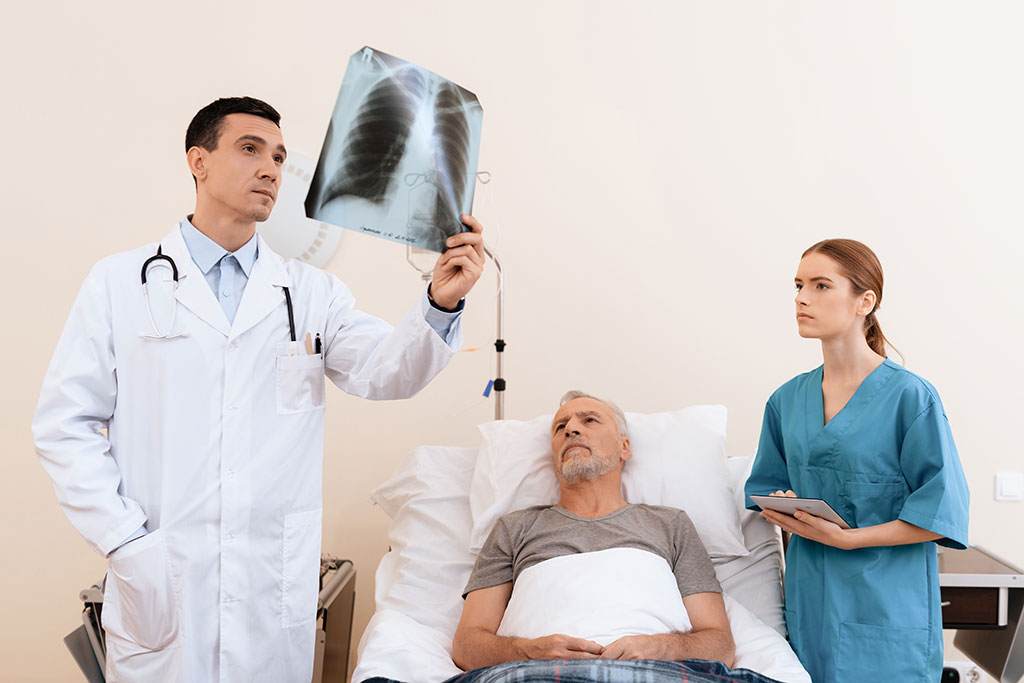
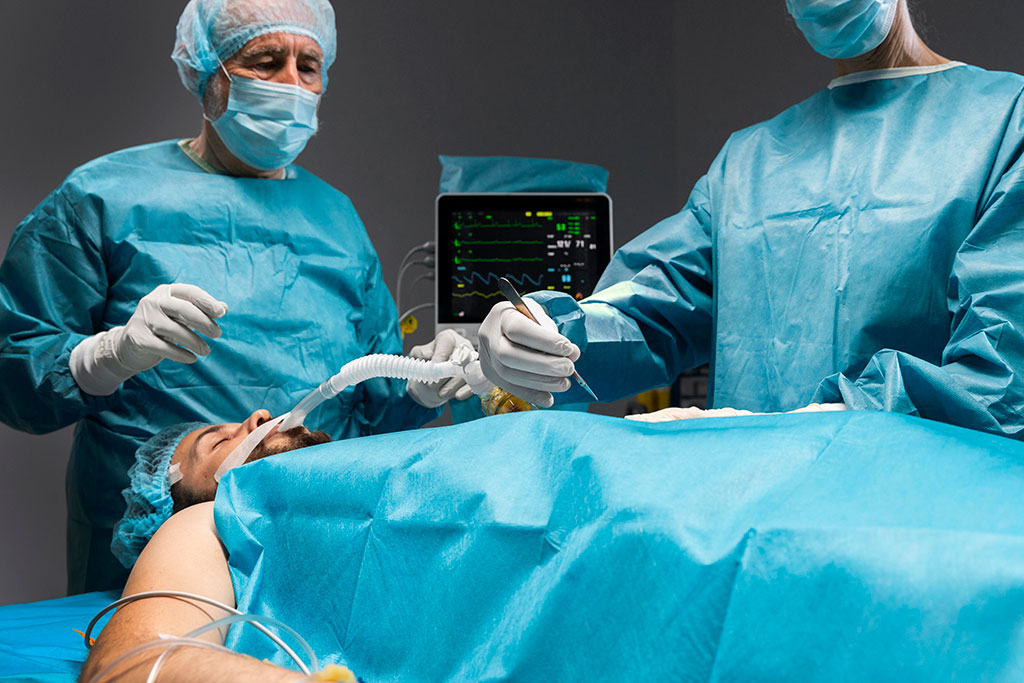
Thoracic surgery encompasses a wide array of diseases and disorders that affect the organs within the chest, including the lungs, esophagus, mediastinum, and chest wall. Surgical interventions are critical for the management, palliation, and cure of numerous conditions. This document provides a comprehensive overview of major diseases that are primarily managed or treated through surgical means by Dr. Roberts.
Lung Cancer
Lung cancer remains one of the most common and deadly malignancies worldwide. Surgical resection is the cornerstone of treatment for patients with early-stage non-small cell lung cancer (NSCLC) and select cases of small cell lung cancer (SCLC). Depending on tumor size, location, and patient factors, procedures may include:
- Lobectomy: Removal of an entire lobe of the lung.
- Pneumonectomy: Removal of an entire lung.
- Segmentectomy/Wedge Resection: Removing a segment or wedge of lung tissue.
- Minimally invasive approaches such as Video-Assisted Thoracoscopic Surgery (VATS) and Robotic-Assisted Thoracoscopic Surgery (RATS).
Surgery may also be used for diagnostic biopsies, mediastinal staging, and, in some cases, palliative procedures to relieve symptoms caused by advanced tumors.
Esophageal Cancer
Esophageal cancer often requires a multimodal approach, with surgery playing a key role in curative treatment for localized disease. Many patients will require chemotherapy and immunotherapy prior to surgery. The main surgical intervention is esophagectomy, in which part or all of the esophagus is removed, often with reconstruction using the stomach or colon. Our primary approach is robotic esophagectomy.
Surgical intervention is also used for palliative procedures in advanced cases, such as stent placement to relieve dysphagia.
Gastroesophageal Reflux Disease (GERD)
While most cases of GERD are managed medically, surgery is indicated for patients with severe, refractory symptoms or complications such as strictures or Barrett’s esophagus. The main surgical treatment is:
- Nissen fundoplication: Wrapping the upper part of the stomach around the lower esophagus to reinforce the lower esophageal sphincter.
- Other partial fundoplication techniques (Toupet or Dor)
We do these procedures robotically. Surgical interventions improve quality of life and reduce the risk of long-term complications.
Hiatal Hernias
Hiatal hernias occur when part of the stomach pushes through the diaphragm into the chest cavity. Large or symptomatic hernias often require surgical repair. Procedures may include:
- Reduction of the herniated stomach
- Closure of the diaphragmatic hiatus
- Fundoplication to prevent reflux
- Use of mesh for large or recurrent hernias
We do these procedures robotically.
Mediastinal Diseases
The mediastinum—the central compartment of the thoracic cavity—can be affected by a variety of diseases, both benign and malignant.
Mediastinal Masses
Surgical intervention is often required for diagnosis, staging, and treatment of mediastinal masses. These can include cysts, germ cell tumors, lymphoma, and nerve sheath tumors. Resection is performed for suspected malignancy, symptomatic masses, or when diagnosis is unclear.
Mediastinal Lymphadenopathy
Enlarged lymph nodes in the mediastinum may require surgical biopsy (mediastinoscopy or mediastinotomy) to determine etiology, especially in suspected malignancies.
Thymic Cancers and Thymomas
Thymic malignancies are relatively rare but often treated surgically. Thymectomy—removal of the thymus gland—is the procedure of choice. For certain tumors and in the context of myasthenia gravis, extended thymectomy may be performed.
Myasthenia Gravis
Myasthenia gravis is an autoimmune neuromuscular disorder frequently associated with thymic hyperplasia or thymoma. Surgical removal of the thymus (thymectomy) is indicated in patients with thymoma and can also improve symptoms in selected non-thymoma cases. We do these procedures robotically.
Emphysema Surgery and Endobronchial Valves
Advanced emphysema, a type of chronic obstructive pulmonary disease (COPD), may benefit from surgical intervention when medical management is insufficient. Dr. Roberts is skilled in the performance of emphysema surgery and endobronchial valve placement.
- Emphysema Surgery: Removal of diseased portions of the lung to improve function in remaining tissue.
- Endobronchial Valves: Minimally invasive procedure in which one-way valves are placed in the airways to collapse diseased lung regions and improve breathing.
Thoracic Outlet Syndrome (TOS)
Thoracic Outlet Syndrome refers to compression of neurovascular structures as they pass through the thoracic outlet (the space between the collarbone and first rib). Surgery is considered for patients whose symptoms do not respond to conservative measures. Surgical procedures can include:
- Resection of the first rib
- Scalenectomy (removal of muscles compressing the nerves)
- Release of fibrous bands or cervical ribs
Achalasia
Achalasia is a rare esophageal motility disorder leading to difficulty swallowing due to failure of the lower esophageal sphincter to relax. Surgical management includes:
- Robotic Heller myotomy: Cutting the muscle fibers of the lower esophageal sphincter, often combined with partial fundoplication to reduce reflux.
Tracheal and Bronchial Strictures
Strictures of the trachea or bronchi can result from trauma, inflammation, tumors, or previous medical interventions. Surgery may be indicated to restore airway patency. Procedures include:
- Tracheal or bronchial resection with end-to-end anastomosis
- Stent placement for palliation
- Laser or balloon dilation (endoscopic approaches)
Hemoptysis
Hemoptysis, or coughing up blood, can be caused by infections, malignancies, or vascular abnormalities. Massive or recurrent cases may require surgical intervention, such as:
- Lobectomy or segmentectomy to remove the bleeding source
- Bronchial artery embolization (minimally invasive)
- Some causes can be treated with laser or stents.
Airway Tumors
Tumors arising from the trachea, bronchi, or lungs may be amenable to surgical resection, depending on location and stage. Management includes:
- Endoscopic resection for benign or early-stage tumors
- Open or minimally invasive surgical excision for malignant tumors
- Airway reconstruction when needed
Hyperhidrosis
Hyperhidrosis—excessive sweating, most commonly of the palms or armpits—may be treated surgically when conservative measures fail. The main procedure is:
- Endoscopic thoracic sympathectomy (ETS): Interruption of the sympathetic nerves that stimulate sweat glands.
ETS is typically performed with minimally invasive techniques and can provide lasting relief for patients.
Conclusion
Thoracic surgery plays a critical role in managing a diverse spectrum of diseases affecting the chest. Through advances in surgical techniques—including minimally invasive and robotic approaches—outcomes for patients continue to improve. Collaboration between thoracic surgeons, pulmonologists, oncologists, gastroenterologists, and other specialists is essential for optimizing patient care. With continued innovation and research, the range of conditions amenable to surgical intervention is expected to expand, offering renewed hope and improved quality of life for many patients