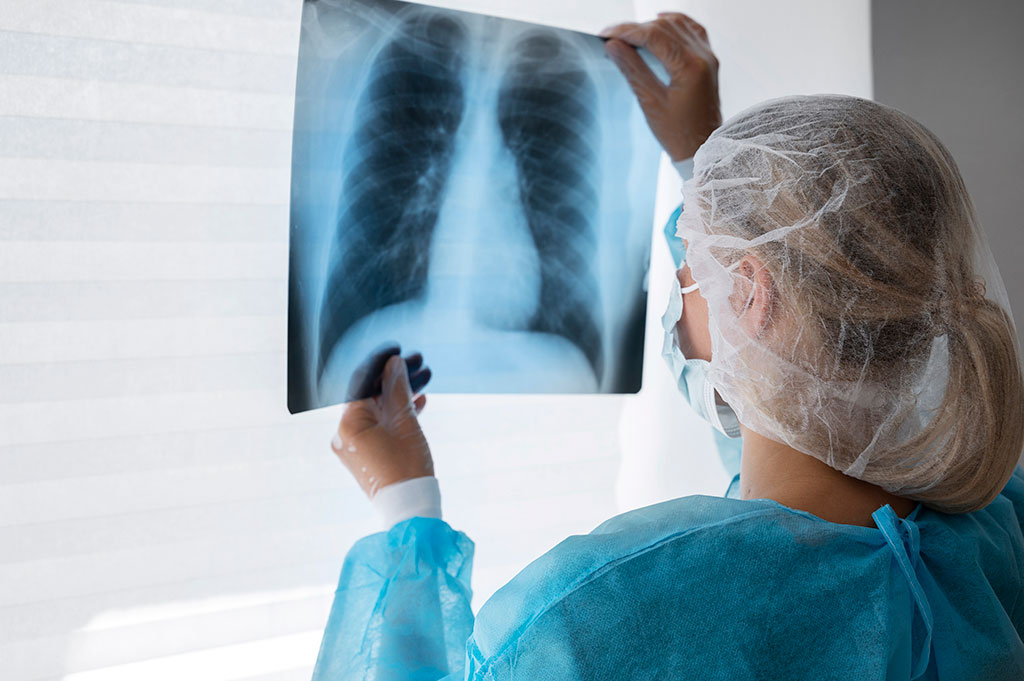

A Comprehensive Overview of Thoracic Surgical Interventions
Thoracic surgery is a specialized branch of surgery focused on the treatment of diseases and conditions affecting the organs within the chest, including the lungs, esophagus, mediastinum, and chest wall. Dr. Roberts utilizes advanced surgical techniques and technologies to address a wide variety of conditions ranging from cancer to trauma. This document provides an in-depth look at the principal procedures and diseases managed by Dr. Roberts.
Introduction to Thoracic Surgery
Thoracic surgery encompasses both elective and emergency procedures performed within the thoracic cavity, excluding the heart (which is primarily the domain of cardiac surgeons). Thoracic surgeons work closely with pulmonologists, oncologists, gastroenterologists, and radiologists to provide comprehensive care to patients. The scope of their practice includes both traditional open surgeries and minimally invasive approaches, such as robotic-assisted thoracic surgery (RATS).
Common Procedures Performed by Thoracic Surgeons
- Lung Resection (Lobectomy, Segmentectomy, Wedge Resection, Pneumonectomy)
- Esophagectomy
- Thymectomy
- Chest Wall Resection and Reconstruction
- Pleurectomy and Decortication
- Mediastinal Tumor Resection
- Sympathectomy
- Bronchoscopy and Airway Surgery
- Thoracoscopic and Robotic Surgeries
- Empyema Drainage and Pleurodesis
- Tracheal Resection and Reconstruction
- Trauma Surgery
- Lung Transplantation
- Diaphragmatic Surgery
- Management of Hyperhidrosis
Detailed Overview of Major Thoracic Procedures
Lung Surgery
Lobectomy: This is the surgical removal of one of the lobes of the lung, most commonly performed to treat lung cancer. It can be done through traditional open surgery (thoracotomy) or using minimally invasive approaches like VATS or robotic surgery. Lobectomy offers the best chance of cure for early-stage non-small cell lung cancer.
Segmentectomy and Wedge Resection: These involve removal of smaller, more localized portions of lung tissue. Segmentectomy is anatomically precise, removing a bronchopulmonary segment, while wedge resection removes a non-anatomical wedge. These procedures are often considered for small or early cancers or for patients unable to tolerate a lobectomy due to limited lung function.
Pneumonectomy: This is the removal of an entire lung and is generally reserved for extensive diseases that cannot be managed with lesser resections. Common indications include centrally located lung cancers and extensive trauma.
Esophageal Surgery
Esophagectomy: This complex procedure involves partial or total removal of the esophagus, most commonly for esophageal cancer but also for benign conditions like achalasia or severe injury. Reconstruction of the alimentary tract is typically achieved by pulling up the stomach or using a segment of the intestine.
Thymic and Mediastinal Surgery
Thymectomy: Removal of the thymus gland is performed for thymomas (tumors of the thymus) and in some cases of myasthenia gravis, an autoimmune neuromuscular disorder. This procedure is increasingly done using minimally invasive approaches.
Mediastinal Tumor Resection: Tumors within the mediastinum (the central compartment of the thoracic cavity) are surgically removed using open or minimally invasive approaches, depending on size and location.
Chest Wall Surgery
Chest Wall Resection and Reconstruction: For tumors or infections involving the bony or soft tissue structures of the chest wall, surgeons may remove and reconstruct affected areas using prosthetics, muscle flaps, or synthetic materials.
Pleural Procedures
Pleurectomy and Decortication: These are performed for conditions like malignant pleural mesothelioma or severe empyema (infected pleural fluid). Pleurectomy involves removing the pleura (lining of the lung and chest cavity), while decortication removes scar tissue restricting lung expansion.
Pleurodesis: Often used to treat recurrent pleural effusions (fluid around the lung), pleurodesis involves causing the pleural layers to adhere, preventing fluid re-accumulation. This can be achieved using chemical agents or mechanical abrasion.
Bronchoscopic and Airway Procedures
Bronchoscopy: This minimally invasive procedure allows visualization and sampling of the airways. Interventional bronchoscopy includes stent placement, tumor ablation, or removal of foreign bodies.
Tracheal Resection and Reconstruction: For benign or malignant diseases causing narrowing or obstruction of the trachea, Dr. Roberts is experienced in removing the affected segment and reconstruct the airway.
Sympathectomy
Thoracic Sympathectomy involves cutting or clipping the sympathetic nerves to treat conditions such as hyperhidrosis (excessive sweating), certain pain syndromes, and some cases of refractory arrhythmias.
Minimally Invasive Thoracic Surgery
Robotic-Assisted Thoracic Surgery (RATS): Utilizing robotic systems, surgeons can perform delicate and complex procedures with enhanced precision and flexibility, leading to less pain, earlier recovery, and improved outcomes for selected patients.
Video-Assisted Thoracoscopic Surgery (VATS): This technique uses small incisions and a camera to perform procedures inside the chest, resulting in less pain, shorter hospital stays, and quicker recovery compared to open surgery. VATS can be used for lung resections, biopsies, pleural procedures, and more.
Emphysema Surgery
Patients with emphysema can benefit from the placement of endobronchial valves and bullectomy or Lung Volume Reduction Surgery
Trauma Surgery
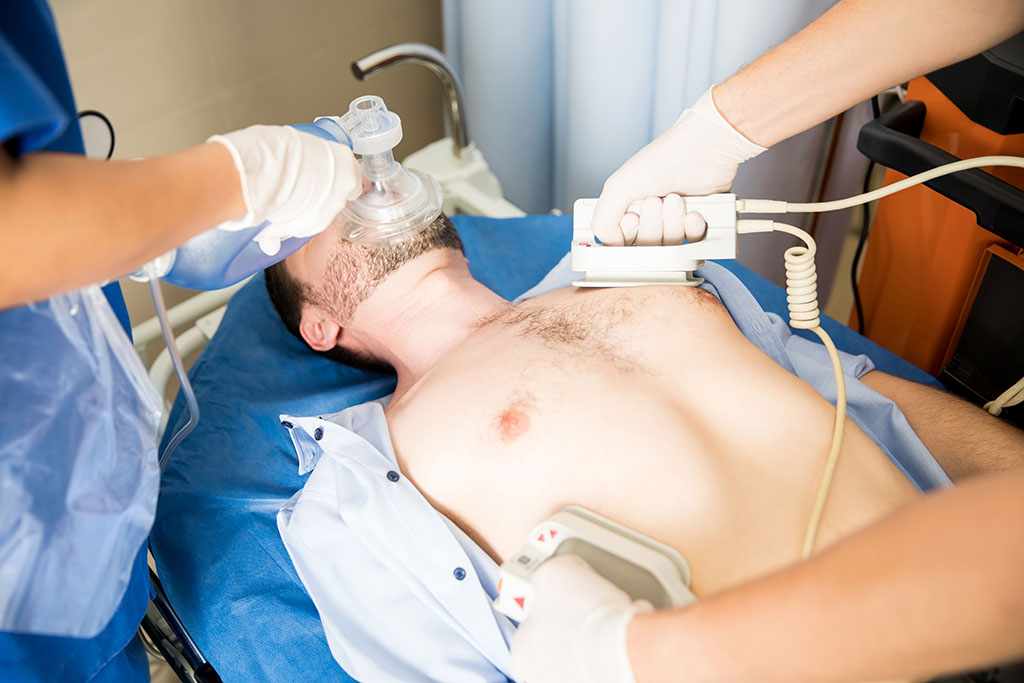
Thoracic surgeons play a critical role in managing traumatic injuries to the chest, including rib fractures, flail chest, lung lacerations, and injuries to the great vessels or diaphragm. Dr. Roberts worked as a trauma surgeon prior to training in thoracic surgery. Emergency procedures may involve chest tube placement, repair of bleeding vessels, or surgical exploration of the chest cavity.
Diaphragmatic Surgery
Surgical repair of the diaphragm is necessary for patients with diaphragmatic hernias (congenital or acquired) or injuries. This may involve suturing tears or reinforcing weakened areas with mesh.
Indications for Thoracic Surgery
Thoracic surgery is indicated for a wide array of conditions. Some of the most common include:
- Primary or metastatic lung cancer
- Esophageal cancer and benign esophageal disorders
- Mediastinal tumors and cysts
- Recurrent or persistent pneumothorax
- Pleural effusions, empyema, and pleural masses
- Chest wall tumors or trauma
- Tracheal and bronchial stenosis
- Severe myasthenia gravis
- Metastatic colon cancer, sarcoma, renal cancer
- Excessive sweating (hyperhidrosis)
- Empyema
Advances in Thoracic Surgery
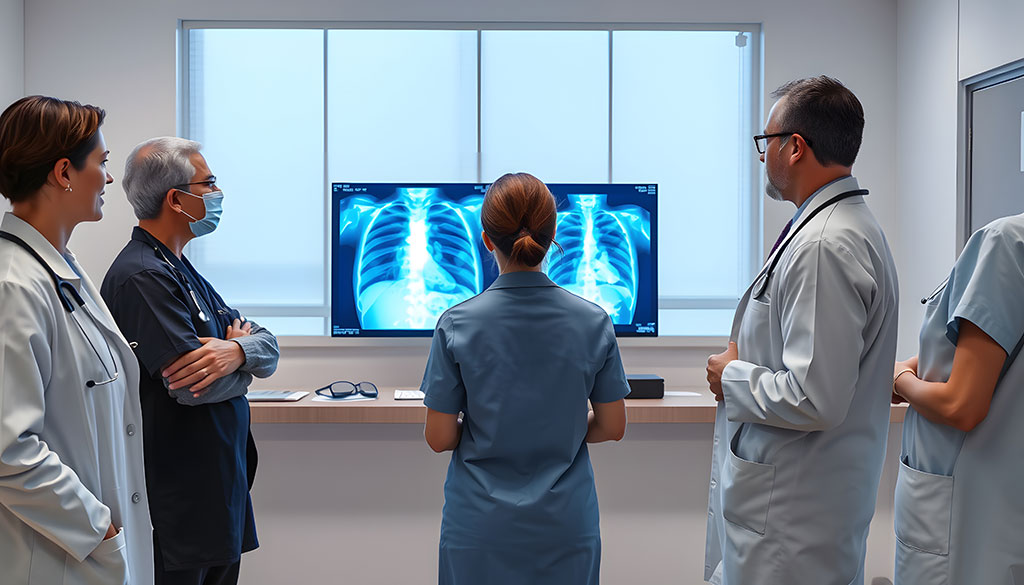
Thoracic surgery has evolved rapidly over recent decades. The advent of minimally invasive and robotic techniques has reduced postoperative pain, shortened hospital stays, and improved cosmetic results. Enhanced imaging (such as 3D CT scans, PET scans, and intraoperative navigation) has improved accuracy in diagnosis and surgical planning. The implementation of enhanced recovery after surgery (ERAS) protocols and multidisciplinary care teams has led to better outcomes and patient satisfaction.
Risks and Complications
While thoracic surgery can be life-saving, it is not without risks. Potential complications include bleeding, infection, respiratory failure, persistent air leaks, atrial fibrillation, and complications specific to the organ involved (e.g., anastomotic leaks after esophagectomy). The risks vary based on the procedure, the patient’s underlying health, and the approach used.
Preoperative and Postoperative Care
Patients undergoing thoracic surgery require thorough preoperative evaluation, including respiratory function testing, cardiac assessment, and imaging studies. Smoking cessation, nutritional optimization, and physical conditioning may be recommended beforehand. Postoperative care focuses on pain management, respiratory therapy, early mobilization, and vigilant monitoring for complications.
Conclusion
Dr. Roberts is at the forefront of treating complex chest diseases and conditions using a wide array of surgical procedures. His expertise spans traditional open operations to cutting-edge minimally invasive and robotic techniques. As technology and multidisciplinary care continue to advance, thoracic surgeons remain vital to the management and cure of many thoracic diseases, improving quality of life and extending survival for countless patients.