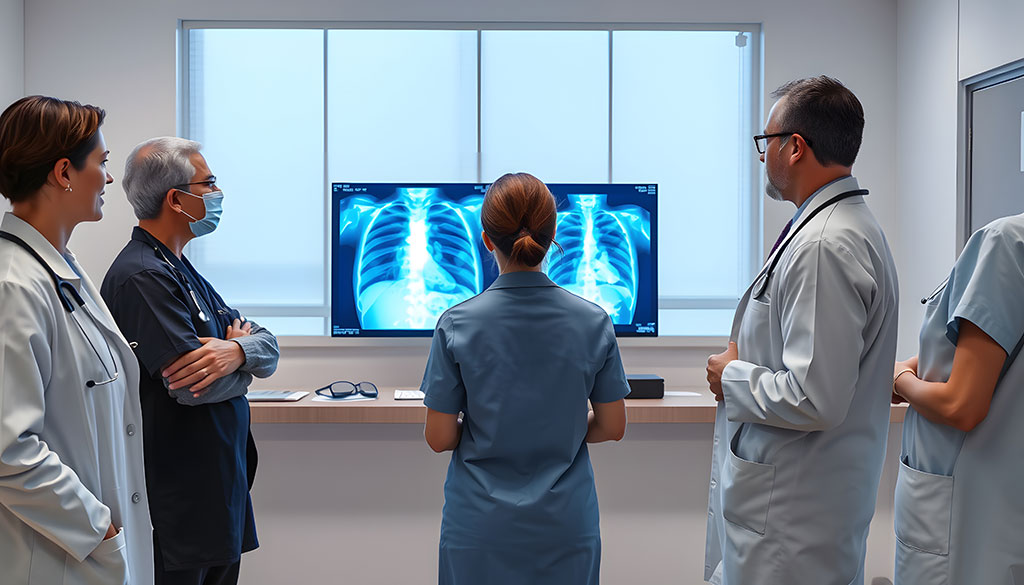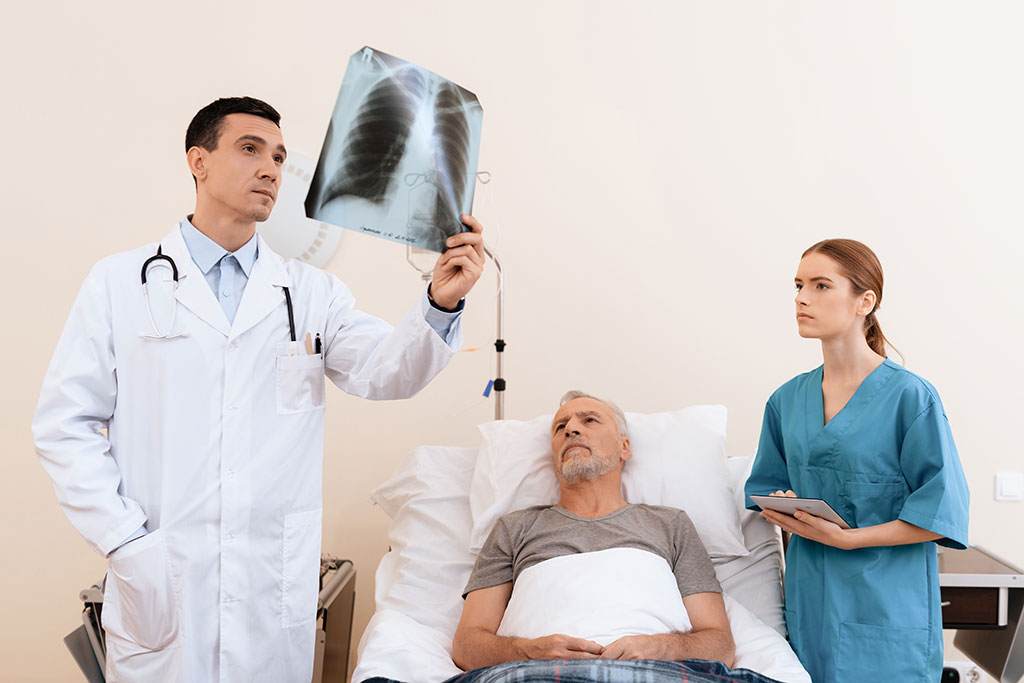
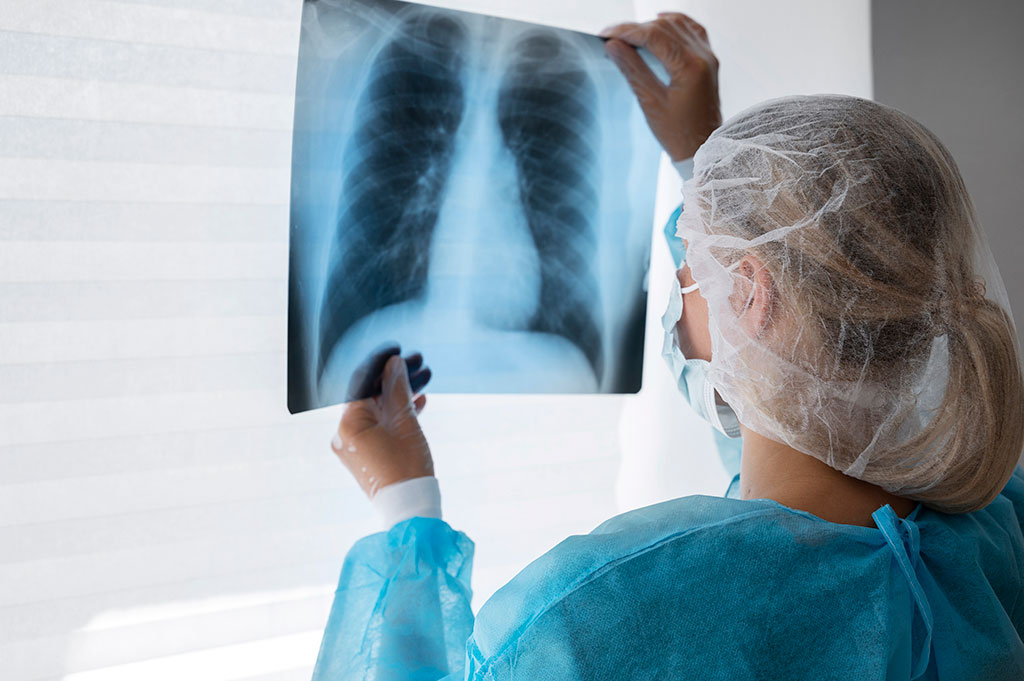
Lung cancer is often diagnosed too late. However, with modern screening tools like low-dose CT scans, early detection is now more accessible than ever. This blog emphasizes the importance of identifying lung cancer before it spreads, even in individuals with no symptoms. We’ll discuss risk factors (smoking, family history, environmental exposure), how screening works, and what steps to take if abnormalities are found.
Key Points:
- Why early detection improves survival rates
- Recommended screening guidelines
- Who should get screened?
- The role of imaging in early diagnosis
- Steps to take after a positive screening result